YOUR LOVE BUMPS
Real Stories. Real Relationship Questions. Practical Guidance.
Honest conversations about love, sex, marriage, heartbreak and healing.
What You’ll Find Here
Your Love Bumps is a relationship platform for honest stories, practical guidance and useful resources about love, sex, marriage, heartbreak and healing. Explore real experiences, thoughtful answers to difficult relationship questions, and tools designed to help you navigate the bumps along the way.
REAL STORIES
Read honest first-person experiences and relationship questions drawn from real life — the struggles, lessons, turning points, heartbreaks and triumphs. These stories remind us that relationships can be complicated, but we often learn from seeing how others have faced similar situations and found their way forward.
RELATIONSHIP GUIDANCE
Find practical insight on love, sex, marriage, dating, communication, betrayal, heartbreak and difficult relationship decisions. Our goal is not to tell you what to do, but to help you think more clearly about what you are experiencing and consider healthy, realistic ways forward.
RESOURCES
Explore books, guides and downloadable tools created to help you understand relationships, strengthen communication and make wiser decisions. These resources bring together practical lessons, reflection questions and helpful guidance you can return to whenever you need clarity or encouragement.
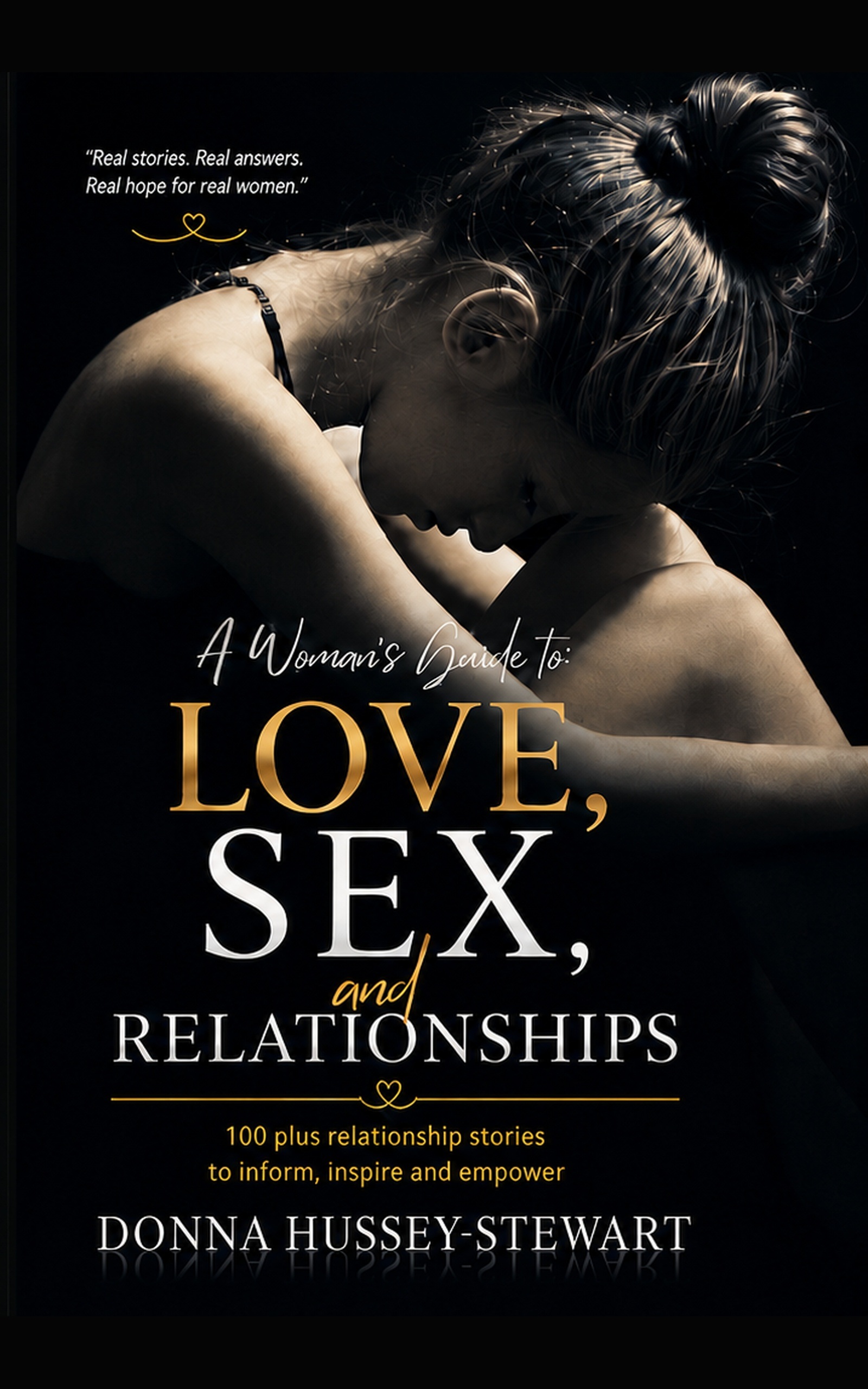
A Woman's Guide to Love, Sex and Relationships
103 Relationship Stories | Expert Insight | Practical Guidance
Love can be beautiful. It can also leave you confused, disappointed and wondering whether to hold on, rebuild — or finally walk away.
Through 103 real-life relationship stories, candid conversations and professional insight, A Woman’s Guide to Love, Sex and Relationships explores dating, marriage, intimacy, infidelity, boundaries, heartbreak, reconciliation, emotional abuse, sexual concerns, faith and starting again.
Real stories. Expert insight. Practical wisdom for real relationships.
Need Clarity About Your Relationship?
A practical self-check to help you spot patterns, ask better questions and decide your next step with greater clarity.
ABOUT US
Your Love Bumps was founded by Donna Hussey-Stewart, an award-winning journalist, author and communicator with decades of experience listening to people tell the stories they often struggle to say aloud.
Born from Donna’s own experiences with relationships, adversity and rebuilding, Your Love Bumps has grown into a space for honest conversations about love, sex, marriage, heartbreak, healing and the complicated realities in between.
Here, real stories meet practical insight. The goal is not to pretend relationships are simple or to tell people what decisions to make, but to provide perspective, thoughtful questions and useful resources that can help readers understand what they are experiencing and move forward with greater clarity.
Because every relationship has bumps. What matters is how we navigate them.
Frequently Asked Questions About Love, Sex and Relationships
Not necessarily. A change in sexual frequency can happen for many reasons, including stress, health concerns, medication, exhaustion, conflict, changing desire or simply the natural rhythms of a long-term relationship. Less sex by itself is not proof of infidelity. If the change is worrying you, focus on what you are actually noticing and have a calm, honest conversation with your partner about intimacy, connection and any concerns you both have. Look for patterns rather than jumping to conclusions, and consider professional support if trust or communication has seriously broken down.
Orgasm can feel different from person to person, and even from one experience to another. Common signs may include a build-up and release of sexual tension, rhythmic contractions in the pelvic muscles, increased breathing and heart rate, heightened sensitivity and a strong feeling of pleasure or release. Not everyone experiences every sign, and intensity varies. There is no single “correct” way an orgasm must feel. If you have concerns about sexual response, pain, numbness or changes that are troubling you, a qualified healthcare professional can help you explore possible causes.
Your fertile window is usually the several days leading up to ovulation and the day of ovulation itself, because sperm can survive in the reproductive tract for several days while the egg is available for a much shorter time. Ovulation often occurs about 14 days before the next menstrual period, but cycles vary and calendar calculations are only estimates. Tracking cycle dates, changes in cervical mucus or using ovulation-predictor tests may help you identify your fertile window. If your cycles are irregular, you have fertility concerns, or pregnancy is not occurring as expected, speak with a qualified healthcare professional for individualized guidance.
Good sexual communication is less about saying the “right” thing and more about creating enough trust for both people to be honest. Talk about preferences, boundaries, comfort and consent at a time when neither of you feels pressured. You can say what you enjoy, ask what your partner enjoys and be clear about anything you do not want. Some couples enjoy explicit language during intimacy and others do not; neither preference is universal. The goal is mutual respect, consent and communication that helps both partners feel safe, wanted and heard.
There is no single formula for a lasting relationship, but healthy long-term partnerships usually require more than love alone. Trust, respect, honest communication, emotional safety, shared effort and the ability to repair after conflict all matter. Strong couples can disagree without humiliating or controlling one another, make room for each person’s individuality and keep talking as needs change over time. Friendship, affection, reliability and realistic expectations also help. A relationship becomes stronger when both people are willing to listen, take responsibility and keep choosing behaviours that protect the connection.
Some relationships recover from infidelity, but repeated cheating raises serious questions about trust, accountability and whether meaningful change is actually taking place. Forgiveness and reconciliation are not the same thing: a person may choose to forgive and still decide that the relationship is no longer healthy or sustainable. Rebuilding requires honesty, an end to the outside relationship or behaviour, transparency, consistent change and willingness from both partners to address what happened. You do not have to make the decision quickly. Give yourself permission to consider your emotional and physical well-being, your boundaries and whether trust can realistically be rebuilt.
A change in attraction can feel deeply personal, but it does not automatically mean something is wrong with you or that your partner is being unfaithful. Desire can be affected by stress, health, medication, emotional distance, unresolved conflict, body-image concerns and many other factors. Instead of guessing, try to create a calm conversation about what has changed and how each of you is experiencing the relationship. Avoid blame and listen for the underlying issue. If the subject repeatedly leads to hurt, avoidance or conflict, a qualified couples or sex therapist may help you talk about it more constructively.
One unsuccessful counselling experience does not necessarily mean nothing else can help. Sometimes the therapist, approach, timing or level of commitment was not the right fit. You may choose to try another qualified couples therapist, ask about a different therapeutic approach or consider individual counselling alongside couples work. It is also important to be honest about whether both partners genuinely want to work on the relationship and whether there is enough safety and respect for counselling to be useful. If there is abuse, coercion or fear, seek appropriate professional support rather than treating the problem as an ordinary communication issue.
OUR PLATFORM


Your Love Bumps is an independent relationship and editorial platform founded by journalist and author Donna Hussey-Stewart. Through real-life stories, practical relationship guidance and carefully developed resources, the platform creates space for honest conversations about love, sex, marriage, heartbreak, healing and the realities in between. Content may draw on lived experience, journalism, published research and qualified professional sources where appropriate. Our purpose is to inform, encourage reflection and help readers ask better questions—not to make personal decisions for them. Your Love Bumps does not provide medical, psychological or legal advice and is not a substitute for qualified professional care when it is needed.
Customers reviews